


Monster Collector: Card Battle
4.33.00 Reviews
App Specs
- Version
- 1.0.2
- Updated On
- License
- Free
- Downloads
- 100,000+
- Developer
- brain
- Categories
- Card
- Platform
- Android
Screenshots
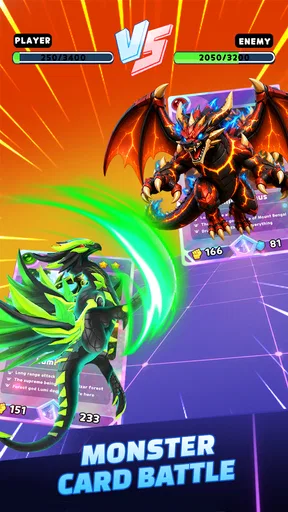
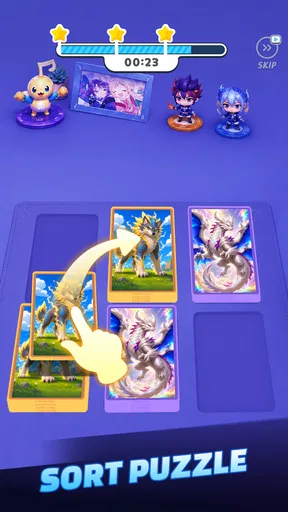
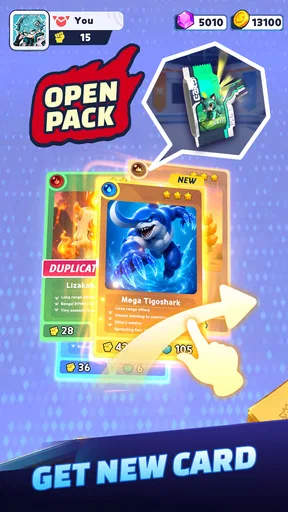
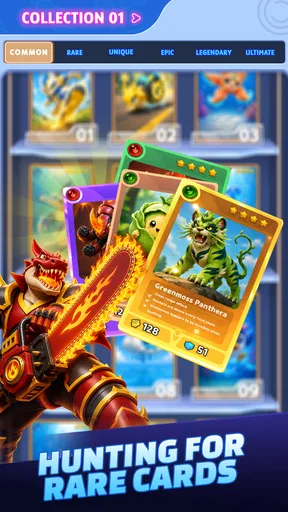
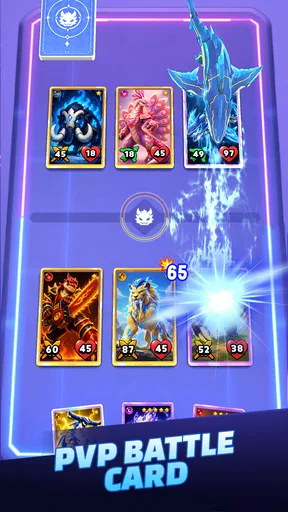
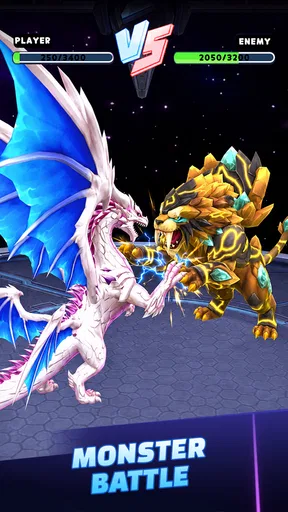
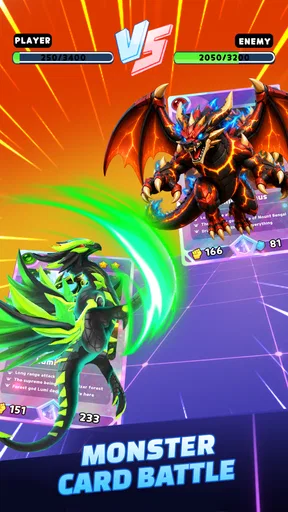
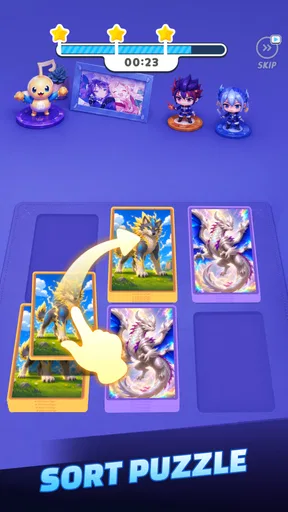
 Analysis by AppCompare
I like card games that give me something to do with a collection beyond sorting it, so Monster Collector: Card Battle caught my attention. The idea is to build a monster collection, open card packs, try mini games, and take that collection into player-versus-player battles. That mix gives each session a few possible goals, rather than making every visit feel like another match on the same board. My overall impression is that it is an approachable option for people who enjoy collecting and competing, though the appeal depends on how much you enjoy the loop of acquiring cards and testing them.
Before you decide what kind of game it is
One useful way to judge this game is to separate the question “Do I like collecting?” from “Do I like competing?” They overlap here, but they are not interchangeable. If you enjoy sorting out which monsters you want to use and then seeing how they fare in a match, the combination has a clear purpose. If collecting is the only satisfying part for you, the battles may feel like an extra obligation; if competition is all you want, the pack-opening side may take up more of your attention than you would like.
I would also think about how much uncertainty you enjoy in a collection game. A pack is exciting partly because you do not know what will be inside, but that same uncertainty can be frustrating if you are pursuing one particular monster. Rather than measuring progress by whether each opening gives you a favorite, I would pay attention to whether the collection as a whole gives you interesting choices in play. That is a more dependable way to decide whether the game is rewarding you.
Collecting, playing, and deciding whether to spend
I’d start by treating the free download and the optional purchases as separate decisions: there’s no need to spend just to find out whether collecting monsters, mini games, and PvP suit you. I’d first notice which activity makes me want to return, then check an item’s exact contents before considering a purchase. That makes it easier to judge the game’s progress loop without letting pack-opening excitement decide for me.
A collection game with several ways to spend a session
Monster Collector: Card Battle is a free card game from developer brain. Its central appeal is the connection between collecting monsters and putting them to use: packs feed the collection, while mini games and PvP give you different reasons to return to it. I find that structure more inviting than a card battler built entirely around ranked competition. On a day when I have only a little time, a mini game can feel like a lighter stop; when I want a more demanding test, a PvP match is the more obvious choice.
The important trade-off is that these activities do not necessarily offer the same kind of satisfaction. Opening packs scratches the collecting itch, but it is not the same as making a tactical decision. Mini games provide variety, while PvP is where the collection is tested against another player. If you mainly want deep, carefully balanced matches, the collecting and side activities may feel like distractions. If you like having several small reasons to check in, that variety is a strength.
I would approach the game with a simple personal goal instead of treating every pack as a must-open moment. For example, decide that a short session is for trying a mini game, while a longer one is for battles or looking over what you have collected. That keeps the experience from collapsing into a single question—whether the next pack contains something exciting—and makes it easier to tell which part you actually enjoy.
Worth Reading Before You Choose

Baby Panda World Brings Quick Play to Modern Phones, but Its Game Library Feels Busy

ESPN’s Live Game View Makes Following Close Games Easier

QuizzLand Review: A Good Fit for Short Trivia Breaks, Not Every Player

Basketball Stars: Multiplayer Is Fast, but Can It Recover When Matches Go Wrong?

WEBTOON Turns Phone Updates Into a Better Reading Routine

Link to Windows Runs on Shared Habits, Not Social Feeds
What spending does and does not tell you
The game is free to download, and it offers in-app purchases priced from $0.99 to $14.99 per item. That is useful to know before starting, but those prices alone do not establish what a purchase contains, how it affects progress, or whether buying anything is necessary. I would not assume that spending guarantees a particular monster or gives a decisive competitive advantage. Nor would I assume the opposite. The purchase details available here do not answer those questions, so the sensible approach is to treat optional spending cautiously and make a decision only after checking the purchase description in the game.
For a first session, I would avoid buying anything just to speed up the initial excitement. Play enough to see whether collecting, mini games, and battles each hold your interest. If the collection side turns out to be the part you enjoy most, you can then judge whether a paid item is worth its specific contents to you. If it is the tactical side, first see how satisfying matches feel without paying. This is a practical way to keep a free game from turning into an impulse purchase before you know what you want from it.
The game has an Everyone content rating, which makes its stated age classification broad. That does not tell me how a family should handle purchases, though. If a child will play, I would review purchase controls on the device and talk through spending expectations beforehand. The price range is modest enough to be easy to overlook during repeated small decisions, so setting a clear limit is more useful than relying on a child—or an adult—to remember each purchase in the moment.
Progress without turning every session into a chore
Collection games can create a subtle pressure: there is always another pack, another monster, or another battle that seems as if it might improve the account. I would watch for that feeling here, especially if opening packs becomes more compelling than using the cards you already have. The practical test is whether a session feels enjoyable even when you do not get a new favorite. If the answer is no, the collection loop may be doing more work than the actual play for you.
A useful way to keep the game in proportion is to rotate activities deliberately. Try a mini game when you want a short, low-commitment visit, then save PvP for when you are ready to focus. After a battle, take a moment to consider what you learned about your collection rather than immediately chasing another pack. That turns the cards you own into part of the decision-making, instead of making every session depend on acquiring something new.
I would also avoid treating early results in PvP as a verdict on whether the game is fair or whether your collection is good. A small number of matches can reflect unfamiliarity as much as card strength. Give yourself time to understand what choices matter in play, and separate the question “Do I like these battles?” from “Am I winning consistently?” That distinction matters in any collection-focused card game, where the excitement of collecting can make losses feel more personal than they are.
How fair does PvP feel?
Player-versus-player competition is a promising part of the package, but fairness is the area I would evaluate through actual play rather than assume from the feature list. The confirmed purchase range does not reveal how paid items interact with battles, and the available details do not establish matchmaking rules, card balance, or whether there are ways to earn comparable items through play. Those unknowns matter if you are choosing the game specifically for a competitive environment.
My advice is to use early matches as a feel test. Notice whether you can make meaningful choices with the cards you have, whether wins and losses seem understandable, and whether you want to try a different approach after a defeat. If you enjoy the decisions even when a match does not go your way, that is a healthier sign than winning immediately. If you feel pushed to spend simply to keep up, pause before purchasing and check exactly what the item offers. Nothing about the listed price range alone can confirm that paying improves competitive standing.
Compared with a traditional card game that focuses almost entirely on deck decisions, Monster Collector places more emphasis on the attraction of building a monster collection and mixing in side activities. Compared with a purely casual collecting game, PvP adds a reason to test what you have. That combination is appealing, but it also means the game may not satisfy someone seeking a transparent, tournament-style competitive experience. For that player, a card game with clearly explained competitive systems would be a safer choice.
Small practical checks before installing
The game’s current version is 1.0.2, and it requires Android 7.0 or later. It has over 100,000 installs and an average rating of 4.3 from 265 ratings. Those figures suggest that it has found an audience, but they cannot tell you whether its particular balance, pace, or spending approach will suit you. I would use them as background, not as a substitute for deciding what kind of card game I want to play.
There are only three written reviews, so there is limited public commentary to help answer detailed questions about long-term progression or the competitive environment. That is another reason to form your own view early: try the different activities, pay attention to whether the game explains its choices clearly, and avoid spending until you understand what an item does. The release date is September 4, 2026, so anyone checking compatibility or planning a download should also make sure the listing on their own device reflects the version currently available to them.
One everyday use case fits the game particularly well: a short break when you want more interaction than simply browsing a collection but do not have time to settle into a long session. You can choose the lighter mini-game route or decide to play against another person when you have more attention to spare. I would not recommend it as a background activity if you dislike interruptions or switching between different modes; its appeal comes from choosing what to do with the collection, not from leaving the game untouched.
Who I would recommend it to
I would suggest Monster Collector: Card Battle to someone who likes the anticipation of collecting monsters but also wants the collection to connect to play. It is a reasonable fit for casual card-game fans who enjoy alternating between short activities and PvP, and for players who are comfortable judging a free game before considering optional purchases. The broad Everyone rating may make it worth considering for a mixed-age household, provided an adult sets sensible purchase boundaries.
I would skip it if your priority is a proven, highly transparent competitive ladder, if you strongly dislike card-pack collection loops, or if you prefer games where progress is not tied to the possibility of buying items. I would also look elsewhere if you want a detailed answer about competitive balance before installing; the available purchase facts and public review count do not settle that question. In those cases, a more established strategy-focused card game with well-documented rules may be a better match.
A simple way to test whether it suits you
When you start, I would give each activity a deliberate try rather than spending the whole first visit opening packs. Pick a mini game, then take a look at how your collected monsters connect to a PvP match. This small routine helps answer a practical question: do the different parts support one another for you, or do they feel like separate attractions competing for your attention? If the latter, you may prefer a focused card battler or a collection game without competitive play.
For a realistic everyday rhythm, imagine opening the game during a quiet break between errands. A mini game can be the low-effort option when you have only a few minutes, while a battle makes more sense when you can pay attention to the result and think about your next choice. I would avoid beginning a PvP match when you need to put your phone away at any moment; the appeal of that mode depends on being present, not on treating it as something to tap through absent-mindedly.
Another useful habit is to pause after a match and decide whether you want to adjust your approach or simply stop for now. That makes the game less likely to turn a loss into an automatic chase for more packs. It also gives you a clearer read on whether the collection itself is helping you make choices. If you find yourself wanting to play with what you have, that is a stronger reason to keep going than a vague hope that the next opening will solve everything.
My final take
Monster Collector: Card Battle has a clear, appealing premise: build a monster collection, then find more than one way to enjoy it. Its strongest point is that collecting, mini games, and PvP can serve different moods, which gives the game a flexible shape. Its main caution is equally clear: the presence of paid items does not tell you how spending affects progress or battles, so I would keep purchases optional and make decisions based on their exact descriptions.
I would try it if the combination of collecting and casual competition sounds fun, and I would give each activity a fair chance before deciding whether it belongs in my regular rotation. The game is free, but the best reason to stay should be that you enjoy playing with the monsters you have—not that you feel compelled to keep opening packs. That is the distinction I would keep in mind when deciding whether this particular card game is worth your time.
My trust verdict is cautious but open-minded: I would be comfortable trying the free version as a casual collector who is curious about PvP, while keeping purchases off the table until their contents and practical value are clear to me in-game. If I were choosing specifically for serious competition, I would first look for a game whose rules and competitive systems are easier to assess. Here, a short, no-spend trial is the fairest way to decide whether the mix of monsters, mini games, and battles genuinely works for you.
Pros
- Quick matches make it easy to play in short sessions.
- Collecting monsters gives card-building a satisfying progression loop.
- Different cards and abilities encourage experimenting with team strategies.
- The monster-battle theme offers a colorful alternative to standard card games.
- A straightforward core loop is approachable for casual players.
Cons
- Card battles may feel repetitive after extended play.
- Progress can depend on collecting stronger or rarer cards.
- Balancing teams may take time as the collection grows.
- Players looking for a deep story may find the focus limited.
- Some features or rewards may require an internet connection.
FAQs for Monster Collector: Card Battle
What is Monster Collector: Card Battle?
Monster Collector: Card Battle is a monster-themed game built around collecting cards and using them in battles. Players typically assemble a team or deck from the creatures they acquire, then choose cards strategically during encounters. The exact features, game modes, and progression systems can vary by version, so check the store listing and in-game description before downloading to confirm what is currently available.
How do battles and card collection work?
The central loop is to collect monster cards, improve your available options, and use them to face opponents. Battles generally reward planning: the creatures and cards you choose can matter as much as the order in which you play them. If you prefer games with tactical choices and a collection goal, this format may appeal to you. Review the tutorial and current game details for specific rules.
Is Monster Collector: Card Battle free to play?
The app may be free to download, but that does not necessarily mean every item or feature is free. Some games in this category offer optional purchases, such as currency, card packs, or progression boosts, and may also show advertisements. Before installing, check the app-store page for pricing and in-app purchase information. You can also review device settings to manage purchases and prevent accidental spending.
Can I play Monster Collector: Card Battle offline?
Offline availability depends on how the game handles battles, account progress, and content downloads. Some card games allow limited play without an internet connection, while others require a connection to load matches, save progress, or access events. Check the app’s store description and test connectivity requirements after installation. If you plan to play while travelling, confirm that progress is saved reliably before relying on offline access.
Is Monster Collector: Card Battle suitable for children, and what should parents check?
Suitability depends on the game’s age rating, advertising, chat or social features, and purchase options, which may differ by platform or update. Parents should check the current store rating and permissions, then review whether the app includes in-app purchases or online interactions. Device-level purchase approvals and parental controls can help manage spending and screen time. The store listing is the best source for current safety details.


